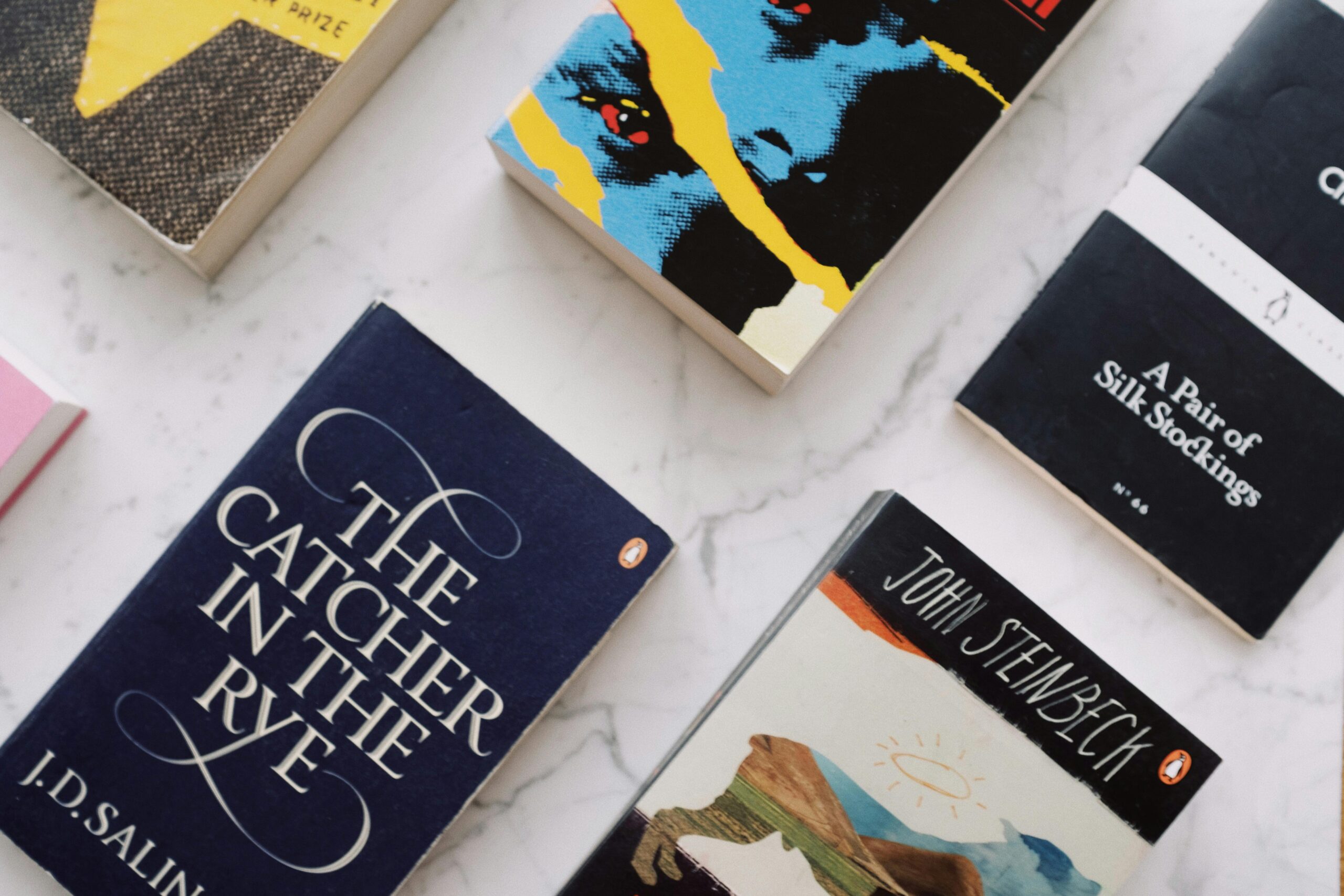
There’s a moment every author looks forward to—seeing their book come to life. The words are written, the edits are done, and now it’s time for the finishing touches.
And then comes the cover.
For many writers, this part feels exciting… but also surprisingly confusing. Because suddenly, you’re not just thinking like a writer—you’re thinking like a reader, a designer, and a marketer all at once.
Here’s the truth that can make this whole process a lot clearer:
Your book cover isn’t decoration. It’s communication.
And whether you realize it or not, it’s already speaking for your book long before anyone reads a single word.
Your Cover Is Your First Impression (and It Happens Fast)
When readers are browsing—whether on Amazon or anywhere else—they are not carefully analyzing every option. They’re scanning. Clicking. Skipping. Deciding in seconds.
That means your cover has a very specific job to do, very quickly.
It needs to tell the reader:
- What kind of book this is
- What kind of experience they can expect
- Whether this looks like something worth their time
If any of those signals are unclear, the result is almost always the same: they keep scrolling.
Not because your book isn’t good—but because the cover didn’t give them enough confidence to stop.
The Mistake That Trips Up So Many Authors
One of the most common issues authors run into is choosing a cover based on personal preference instead of reader expectation.
And it makes perfect sense. You’ve spent hours, months, maybe years working on your book. Of course you want a cover that feels right to you.
But here’s the tricky part: readers aren’t choosing based on what feels meaningful to you. They’re choosing based on what feels familiar and trustworthy to them.
That means your cover needs to match what readers already recognize in your genre. If it doesn’t, even a beautifully written book can struggle to get attention.
Why “Standing Out” Isn’t Always the Goal
There’s a lot of advice out there about making your book “unique” or “different.” And while that sounds good in theory, it can actually work against you if it’s not handled carefully.
Readers rely on visual cues. Romance looks like romance. Thrillers look like thrillers. Nonfiction has its own patterns and expectations. When your cover aligns with those expectations, readers instantly understand what you’re offering. When it doesn’t, they hesitate—and hesitation usually leads to a lost sale.
Standing out is still important—but it should happen within your genre, out outside of it.
Why Professional Design Makes a Difference
Cover design is one of those areas where experience really shows.
A professional designer isn’t just making something “look nice.” They’re making decisions about layout, typography, spacing, and hierarchy that most readers won’t consciously notice—but will absolutely feel.
They also understand something critical: your cover has to work at thumbnail size.
Because most readers aren’t seeing your book full-size first. They’re seeing a small version on a screen. If your title isn’t readable or your design feels cluttered at that size, it can hurt your visibility immediately.
This is why investing in a professional cover is often one of the smartest decisions you can make for your book.
A Quick Word About AI Covers
AI is becoming more common in the publishing world, and it can be tempting to use it for cover design. While it can be helpful for brainstorming ideas or exploring visual directions, relying on AI alone for your final cover can create problems.
Covers may look slightly “off” in ways that are hard to pinpoint. Typography is often weak. Genre signals can get mixed. And there are still questions around licensing and ownership in some cases.
That doesn’t mean you can’t use AI at all—it just means it’s better used as a support tool rather than the final decision-maker. Think of it as a brainstorming partner, not your cover designer.
How to Make a Strong Cover Decision
If you’re trying to decide whether a cover is the right choice, one of the best things you can do is step outside your own perspective.
Look at what’s already working in your genre. Pay attention to the covers that catch your eye—and the ones that consistently show up on successful books.
You can also gather feedback from real readers. Not just friends or family, but people who actually read in your genre. Their perspective is incredibly valuable because they represent the audience you’re trying to reach.
Sometimes the “best” cover isn’t the one you love the most—it’s the one your readers respond to.
Action Steps You Can Take Right Now
If you’re in the process of designing (or rethinking) your book cover, here are a few simple steps you can take immediately:
- Study your genre. Spend 15-20 minutes looking at top-selling books in your category. Notice patterns in colors, fonts, and layout.
- Check your cover at thumbnail size. Shrink your cover down to a small image. Can you still read the title clearly? Does it still look professional?
- Get outside feedback. Create a simple poll or ask readers which cover they would choose—and why.
- Separate your taste from your strategy. Ask yourself: “Does this cover appeal to my readers… or just to me?”
- Consider professional help. If your goal is to sell your book, investing in a professional designer can make a significant difference.
Final Thoughts
Your book cover is more than a finishing touch—it’s part of the product itself.
It’s what invites readers in. It’s what builds trust before they even read your description. And it plays a major role in whether your book gets noticed or overlooked.
The good news is that once you start thinking of your cover as a tool—not just a personal preference—it becomes much easier to make strong, confident decisions.
If you’d like a deeper dive into this topic, including more insights on how covers fit into your overall publishing strategy, make sure to listen to the full From Writer to Author: The Podcast episode here: 👉 S1 E16 – What Every Author Should Know About Book Covers
There’s more there that will help you approach this part of publishing with clarity—and a lot more confidence.
And as always… your writing deserves to be seen.
Make sure your cover helps it get there.